|

|
Dear Friends,
Public life does not ask us to choose between faith and engagement. It asks us to bring our faith into the hardest conversations of our time—with clarity, courage, and a willingness to confront what is right in front of us.
This week, those conversations are not abstract. They are urgent. They touch on war, truth, and the role of moral authority in a world that too often defaults to power.
Here is what we are watching—and where we are called to respond.
May God Bless you, Denise Murphy McGraw National Co-Chair, Catholics Vote Common Good |
|
The Pentagon vs. the Vatican: A Disturbing Moment |
|
|
It is hard to overstate how extraordinary this is.
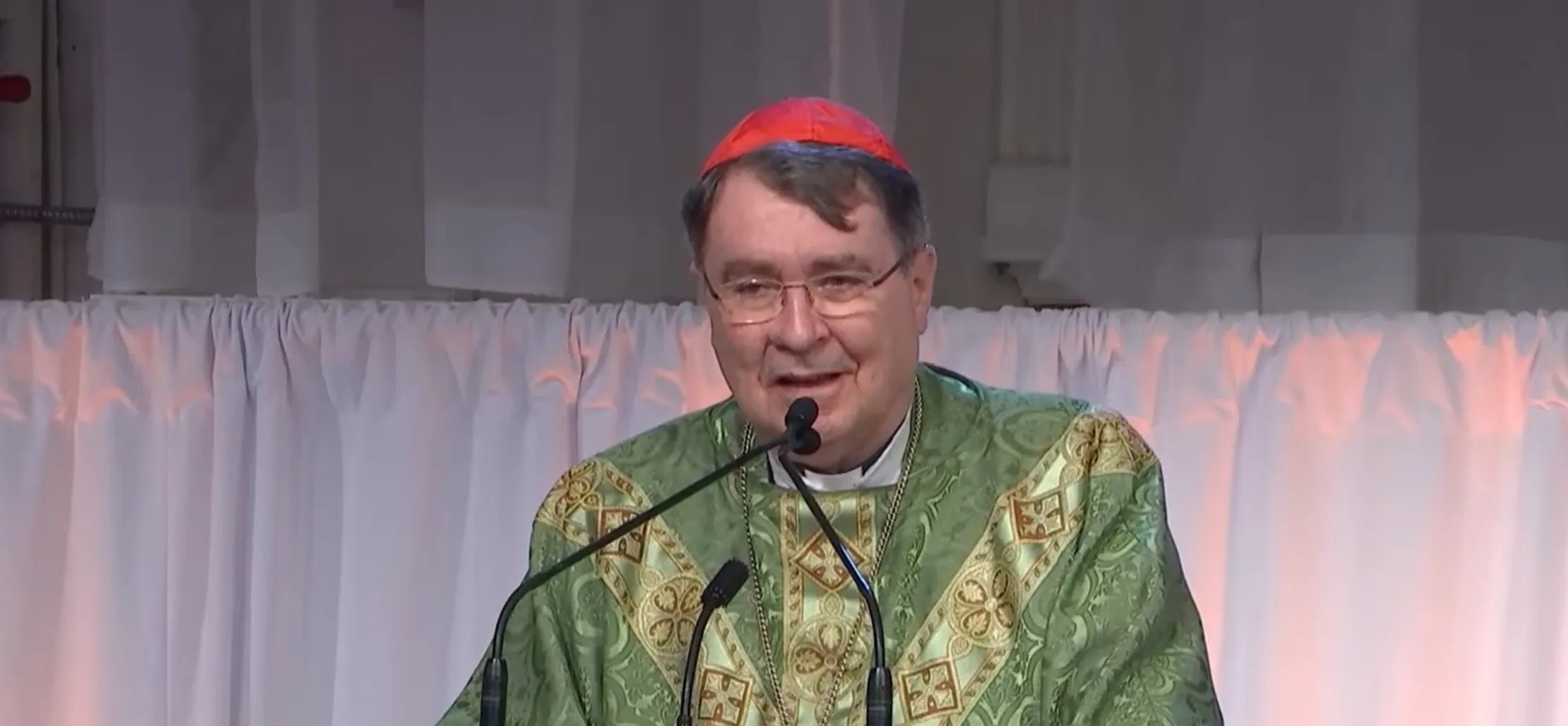
The U.S. Department of Defense summoned the Vatican’s ambassador to Washington and, according to multiple reports, delivered a blunt and deeply unsettling message: the United States has overwhelming military power—and the Church should take its side.
That alone should give us pause.
Cardinal Christophe Pierre, the Holy See’s representative, was called in after Pope Leo XIV warned that “war is back in vogue” and that diplomacy rooted in force is replacing diplomacy rooted in dialogue. The Pope’s message was moral, not political—a call to resist the normalization of conflict and the abandonment of peace.
The response, reportedly, was not reflection—but confrontation.
One account describes a Defense Department official invoking the Avignon Papacy—a period when political power forced the Church into submission. Vatican officials reportedly interpreted the reference as a threat.
Think about that.
An American administration, in 2026, invoking a moment of coercion against the Church while addressing a Vatican diplomat.
If accurate, this is not simply a diplomatic misstep. It signals a willingness to pressure moral authority when it challenges the use of force.
And it has consequences. Reports indicate this episode contributed to the Vatican’s decision to cancel a planned visit by Pope Leo XIV to the United States.
That should concern every Catholic.
The Church does not exist to validate state power. It exists to speak truth—especially when that truth is inconvenient. Catholic teaching is clear: peace is not weakness, and no nation is exempt from moral scrutiny. No government gets to demand otherwise. |
|
Pope Leo XIV: Truth, Journalism, and the Common Good |
|
|
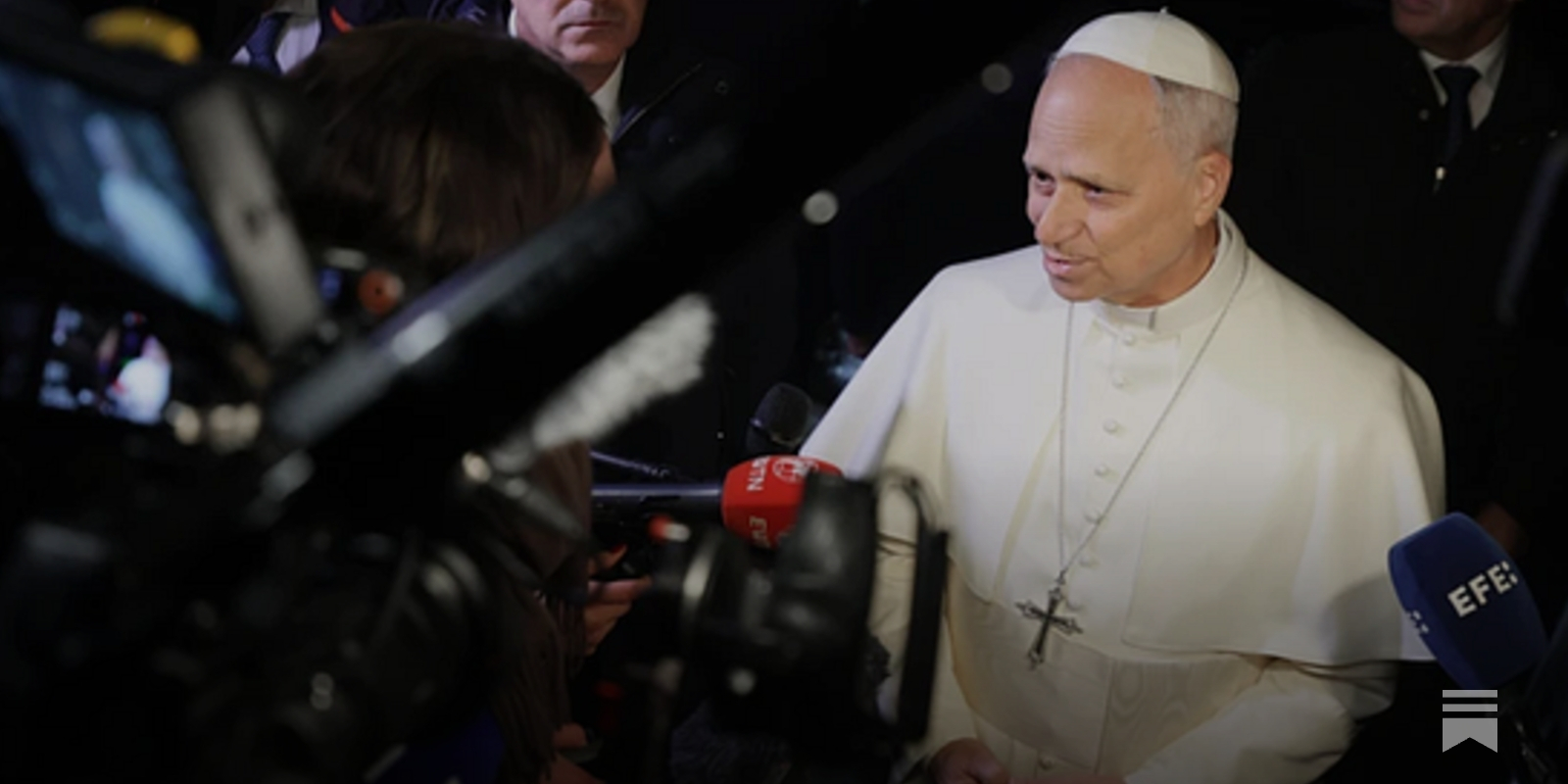
In a recent address to journalists, Pope Leo XIV delivered a message that cuts through the noise: truth is not optional—it is essential to human dignity and the common good.
He warned against the distortion of reality through sensationalism, division, and the manipulation of facts. When truth is treated casually, trust erodes. When it is weaponized, communities fracture.
The Holy Father’s call is not limited to journalists. It applies to all of us. Every time we share information, repeat a claim, or engage in public debate, we participate in shaping the culture of truth—or contributing to its decline.
Catholic teaching calls us to something higher. Honesty. Integrity.
Discipline in what we consume and what we pass along.
In a time of misinformation and outrage-driven discourse, choosing truth is an act of responsibility—and a form of service to the common good. |
|
Join Virtually: Faith, Iran, and the Moral Dimensions of U.S. Foreign Policy |
|
|
In a recent address to journalists, Pope Leo XIV delivered a message that Join Virtually: Faith, Iran, and the Moral Dimensions of U.S. Foreign Policy |
|
Catholics Vote Common Good invites you to participate in an important virtual conversation on how faith should shape U.S. foreign policy.
This timely discussion will explore the moral dimensions of engagement with Iran through the lens of Catholic social teaching—centering human dignity, the responsibility to pursue peace, and the role of diplomacy in preventing conflict.
At a moment when global tensions are rising, this is an opportunity to step back from political rhetoric and engage the deeper question: what does a moral foreign policy actually require?
We hope you will join us. |
|
A Political Reality Check from John Kenneth White |
|

|
|
Catholic University professor John Kenneth White (Ret.) offers a clear-eyed assessment of today’s political landscape: one party’s failures are not a strategy.
His argument is simple and bracing—Democrats cannot rely on the shortcomings of their opponents. Rebuilding trust requires discipline, a coherent vision, and a genuine connection to the concerns of voters.
For those committed to the common good, this is a necessary reminder. Democracy depends on more than opposition. It depends on leadership that is grounded, credible, and responsive.
The work ahead is not easy—but it is essential.
Join Today! |
|
Join Us |
|
|
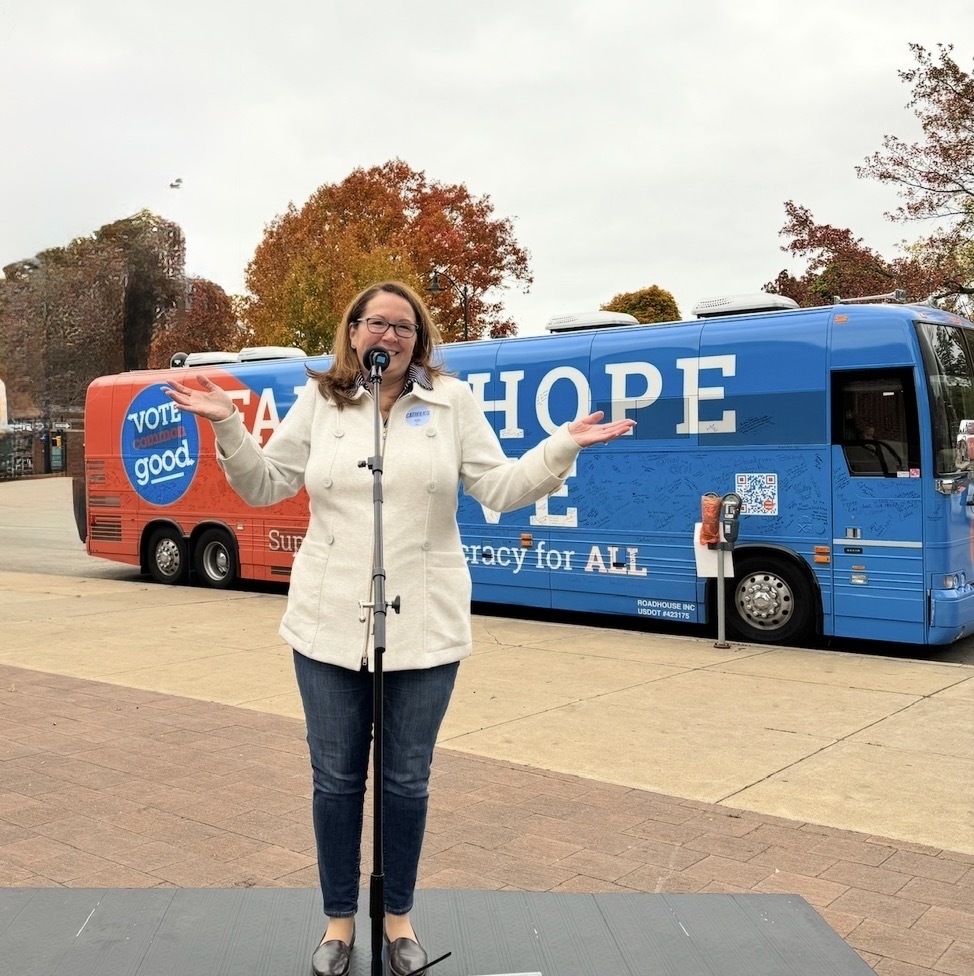
Now is the time to stand up, stay engaged, and bring our values into public life.
Join Catholics Vote Common Good and be part of a growing movement of people of faith committed to human dignity and the common good. |
|
Thank you for being part of this community of faithful civic engagement.
|
|
|
|
Thank you |
|
|

|
© 2025 Catholics Vote Common Good https://www.votecommongood.com/catholics-vote-common-good/ Our mailing address is: 1177 Rosehill Blvd Schenectady, NY 12309-4626 USA |
|
You are receiving this email because you opted in on our website or at an event, if you feel you have gotten this email in error we would hate to see you go but you can change your subscription status by clicking the link below to update your preferences. |